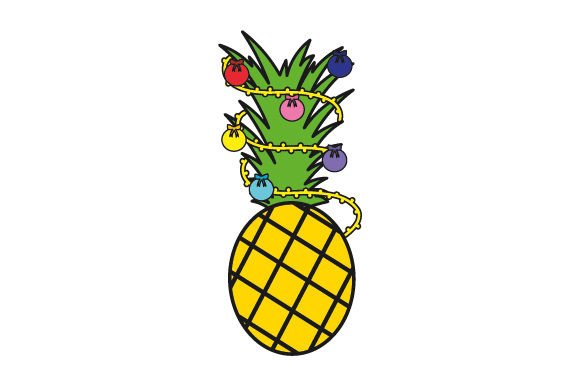
Tropical Christmas Design Review
As a designer who spends more time staring at stitch maps than actual fabric, I have learned to look past the pretty preview images. We all know that a vibrant digital mockup does not always translate to a clean finished product. When I first loaded the Tropical Christmas - Merry Christmas file into my editing software, I was looking for potential pitfalls before committing thread and fabric. This is not just another holiday motif; it is a specific aesthetic choice that blends warm-weather vibes with traditional festive messaging. For those of us running a craft business or selling on Etsy, understanding how this design behaves under the needle is crucial for maintaining professional standards.
First Impressions and Visual Personality
The immediate mood of this design is playful and relaxed. It breaks away from the rigid symmetry of traditional snowflakes and pine cones, offering a layout that feels organic and breezy. The visual personality suggests a vacation vibe, making it an excellent candidate for clients who want to celebrate the season without the heavy, wintry imagery. However, from a technical standpoint, the combination of tropical elements with bold lettering requires careful attention to balance. The design relies heavily on the contrast between the decorative motifs and the text. If the thread colors are not chosen with precision, the details can get lost, especially on textured fabrics.
I noticed that the layout has a natural flow that works well on curved surfaces, but the density varies across the design. This means that while it looks cohesive on screen, the physical stitching will behave differently depending on the hoop area. For a designer, this signals the need for strategic stabilizer use. You cannot treat this as a simple one-size-fits-all embroidery file. It demands respect for its structural nuances.
Real-World Application: The Tote Bag Test
To truly evaluate Tropical Christmas - Merry Christmas, I imagined a common scenario: a custom order for a set of canvas tote bags for a beachside boutique’s holiday promotion. Canvas is a sturdy fabric, but it has a distinct weave that can swallow fine details. In this context, the design’s performance hinges on its stitch density. If the tropical leaves are too sparse, the canvas texture shows through, ruining the crispness of the image. If they are too dense, the bag becomes stiff and unappealing to hold.
For this project, I would recommend using a cut-away stabilizer to support the weight of the stitches without adding excessive bulk. The design fits naturally as a central chest piece or a large back panel on a tote. It also translates well to sweatshirt embroidery, where the softer fabric allows the stitches to sink in slightly, creating a premium, embedded look. However, on a sweatshirt, you must be wary of the nap. If the pile of the fleece is high, fine running stitch outlines might disappear. In such cases, opting for a slightly thicker thread or adjusting the stitch type to a narrow satin stitch can ensure visibility.
Navigating Fabric and Hoop Constraints
Not every garment is suitable for this design. While it shines on medium-weight cottons and poly-blends, it requires caution on stretchy knits or thin silks. The tropical elements likely involve curves and points that can pucker if the fabric is not properly hooped. For baby embroidery projects, such as onesies or bibs, the size of the design must be scaled down carefully. Reducing the size too much can cause the letters in "Merry Christmas" to merge, making them illegible. Always check the minimum readable size in your software before sending it to the machine.
Curved surfaces like caps present another challenge. The hoop size limits how much of the design you can stitch at once, and the curvature distorts the perspective. If you are attempting this on a dad hat or baseball cap, consider splitting the design or simplifying the background elements to prevent distortion. The text should remain on the flattest part of the panel to ensure clarity. For embroidered patch creation, this design is ideal because the backing provides the necessary stability, allowing for higher density and sharper edges without worrying about fabric puckering.
Commercial Value and Customer Appeal
From a business perspective, Tropical Christmas - Merry Christmas offers a unique selling point. Most holiday inventory is saturated with red, green, and gold winter themes. This design allows Etsy sellers and small shop owners to target a niche market: those celebrating a sunny holiday or living in warmer climates. It adds variety to your design assets and can help your brand stand out in a crowded marketplace.
The perceived value of the handmade product increases when the stitching is clean and the design is appropriate for the item. A well-executed tropical holiday design on a high-quality linen tea towel feels luxurious and thoughtful. It transforms a simple kitchen item into a personalized gift that recipients are likely to keep and display. Conversely, a poorly stitched version on a cheap fabric can damage your reputation. Customers associate stitch quality with professionalism. Therefore, testing is not optional; it is a business imperative.
Practical Designer Notes for Best Results
Before you commit to a full production run, follow these practical steps to ensure success with this machine embroidery design:
- Test on Scrap Fabric: Always stitch a sample on the exact fabric you plan to use. Check for puckering, thread breaks, and color blending.
- Check Thread Contrast: Ensure your thread colors stand out against the fabric. Use a black and white mockup to verify that the design elements are distinct even without color.
- Review Stitch Density: Look at the stitch count relative to the size. If it seems too dense for lightweight fabric, consider using a lighter weight thread or adjusting the density settings in your software.
- Confirm Hoop Size: Make sure the design fits comfortably within your hoop with enough margin for clamping. Do not crowd the edges.
- Inspect Small Details: Zoom in on the smallest elements of the tropical leaves and the lettering. Ensure they are not too fine to stitch cleanly on your specific machine.
- Use Proper Stabilizer: Match the stabilizer to the fabric. Cut-away for knits, tear-away for woven cottons, and wash-away for delicate or sheer fabrics.
- Verify Licensing: Before selling finished items or digital products, confirm the license terms. Ensure you have commercial rights if you are using this for commercial embroidery projects.
Final Verdict on Usability
The Tropical Christmas - Merry Christmas design is a versatile addition to any designer’s library, provided it is used with intention. It is not a generic filler; it is a statement piece that requires thoughtful execution. When applied to the right materials with proper technique, it elevates the embroidery project from standard to standout. Whether you are creating holiday embroidery for local craft fairs or developing a new line of custom apparel, this design offers a fresh take on seasonal decor. Just remember that the difference between a good product and a great one lies in the details you check before the needle ever hits the fabric.