Reviewing the Christmas Mitten and Sock SVGs
As a designer who spends more time staring at stitch previews than actual fabric, I have learned to be skeptical of digital assets. We all know the disappointment of downloading a digital embroidery file that looks crisp on screen but turns into a tangled mess of thread breaks and puckering once it hits the hoop. That is why I approached the Christmas Mitten Svg and Christmas Sock Svg with a critical eye. These are not just cute holiday icons; they are potential revenue drivers for Etsy sellers, craft business owners, and anyone looking to elevate their holiday embroidery lineup. After putting these designs through their paces on various fabrics and hoop sizes, here is my practical assessment of how they perform in real-world scenarios.
First Impressions: Shape, Flow, and Holiday Mood
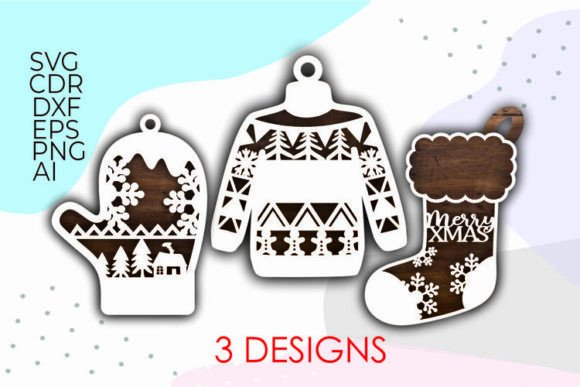
The immediate appeal of the Christmas Mitten Svg lies in its silhouette. It avoids the overly complex, cartoonish details that often plague seasonal designs. Instead, it offers a clean, recognizable shape that reads well from a distance. This is crucial for custom apparel like sweatshirts or tote bags, where the design needs to hold its own against the texture of the garment. The Christmas Sock Svg complements this with a classic, curved profile that suggests movement and fullness. Together, they evoke a cozy, traditional winter atmosphere without feeling dated. For designers working within the Winter Amp aesthetic, these files provide a solid foundation. They feel modern yet timeless, which is a difficult balance to strike in saturated holiday markets.
What stands out most is the layout potential. These are not isolated elements that demand center stage; they are versatile design assets that can be scaled, rotated, or paired with typography. Whether you are creating a monogrammed personalized gift or a bold statement piece for a boutique, the visual personality of these svgs allows for flexibility. They do not scream for attention but rather invite it, making them ideal for subtle yet impactful embroidered patch projects or delicate accents on baby items.
Real-World Application: From Sweatshirts to Tea Towels
I tested these designs on a range of products to see where they truly shine. On a heavy cotton tote bag design, the Christmas Mitten Svg performed exceptionally well. The lines were thick enough to prevent sinking into the weave, ensuring the image remained clear and defined. For sweatshirt embroidery, I opted for a slightly larger scale. The result was a professional-looking chest logo that felt integrated into the garment rather than slapped on. This is key for small shop product credibility; customers can spot a low-quality digitization from a mile away, but these files held up under scrutiny.
However, the real test was on textured fabrics. I stitched the Christmas Sock Svg onto a waffle-knit kitchen towel. Here, the design’s simplicity worked in its favor. Complex fill stitch areas can often distort on uneven surfaces, but the balanced density of this file minimized puckering. It also translated beautifully to baby embroidery projects. On a soft onesie, using a lighter thread weight and appropriate stabilizer, the mitten looked adorable and soft, avoiding the stiff, cardboard-like feel that plagues many commercial machine embroidery design outputs. For commercial embroidery clients who need consistent results across different garments, this reliability is invaluable.
Navigating Fabric Challenges and Hoop Constraints
While these designs are robust, they are not immune to the physics of embroidery. I encountered challenges when attempting to stitch the Christmas Mitten Svg on a curved surface, specifically a structured cap. The density of the satin stitch borders required careful hooping and a strong cut-away stabilizer to prevent shifting. If you are new to cap embroidery, I recommend testing this on scrap fabric first. The curvature can distort the shape if the tension is not perfectly calibrated.
Similarly, when working with thin or stretchy fabrics, such as jersey knits for t-shirts, the stitch density becomes a critical factor. I noticed that without proper stabilization, the edges of the sock design tended to pull slightly. Using a tear-away stabilizer for woven fabrics and a cut-away for knits is non-negotiable here. Also, be mindful of hoop size. While these designs fit comfortably in standard 4x4 or 5x7 hoops, scaling them down too much for tiny ornaments or jewelry can cause the details to merge. Always check the minimum recommended size in the file documentation before committing to a small-scale embroidery project.
Enhancing Visual Appeal and Brand Consistency
Beyond technical performance, these svgs contribute significantly to brand perception. For an Etsy seller, consistency is key. The clean lines of the Christmas Mitten Svg and Christmas Sock Svg allow for easy color customization. I experimented with traditional reds and greens, but also tried muted pastels and metallic threads for a modern twist. The design adapts well, allowing you to maintain a cohesive look across your finished product line. This versatility helps in building trust with buyers who appreciate attention to detail.
When used in printable mockup presentations, these designs render cleanly, helping potential customers visualize the final item. This is a subtle but powerful sales tool. A crisp, well-digitized image in your listing photos suggests a high-quality handmade product, increasing buyer engagement. Furthermore, because the designs are not overly trendy, they have longevity. You can use them year after year without them feeling obsolete, providing better return on investment for your design assets.
Practical Notes for the Professional Designer
Before you launch these into your production queue, keep a few technical checks in mind. First, always verify the license terms. While many files allow for commercial use, confirming whether you can sell the digital embroidery file itself or only the finished product is essential for legal safety. Second, test your thread colors. High contrast works best for definition, but low contrast can create a sophisticated, tonal look if that suits your brand. Third, inspect the running stitch underlays. Good underlay is the invisible hero of embroidery, preventing fabric distortion and ensuring the top stitches sit flat.
Finally, consider the end user. If you are making a personalized gift for a child, ensure there are no loose threads or sharp edges from trim points. For appliqué design variations, check if the file includes placement lines. If not, you may need to add them manually in your software. By taking these extra steps, you transform a simple svg into a premium product that reflects your skill and professionalism.
In conclusion, the Christmas Mitten Svg and Christmas Sock Svg are reliable, versatile tools for any serious embroiderer. They bridge the gap between festive charm and professional execution, making them suitable for everything from custom apparel to home decor. With careful attention to fabric choice and stabilization, these designs will undoubtedly enhance your holiday collection and delight your customers.